If you want a nicer-looking one or a gift, the hand-crochet wool Pachamama is lovely; for one in every room, a three-pack works out cheap per bottle; and on the tightest budget a plain 2 litre bottle with a cover does the job for a few pounds. But first the safety bit, because it matters more than the brand: never fill with boiling water, always use a cover, and replace any bottle that is more than about 2 years old or looks cracked or perished. Below we explain the daisy wheel and the 2-year rule, how to fill one safely, and what to skip.
Last reviewed 21 October 2026
Prices and stock on this page are pulled live from each listing and refresh several times a day. A hot water bottle is the cheapest winter warmth there is: boiling a kettle to fill one costs only a few pence, and it warms you or the bed directly rather than heating a whole room. The one thing that matters most is safety: buy one marked to the British Standard BS 1970:2012, check the daisy wheel on the neck so you know it is recent and not old shop stock, and replace it about every 2 years. A Fashy is our pick. How we choose: we compare the live Amazon listings, the makers' published specs and the owner reviews, including the 1 to 3 star ones, and we don't test hands-on, so we never claim to.
In this guide
- 1The top 4, ranked
- 2Compare the specs
- 3Hot water bottle safety: the daisy wheel, BS 1970 and the 2-year rule
- 4How to fill one safely (and why boiling water is the mistake)
- 5Rubber, thermoplastic or long? Choosing the bottle
- 6Our picks in detail
- 7Hot water bottle vs electric blanket vs heating the room
- 8Common myths, corrected
- 9What we’d skip
- 10FAQs
The top 4, ranked
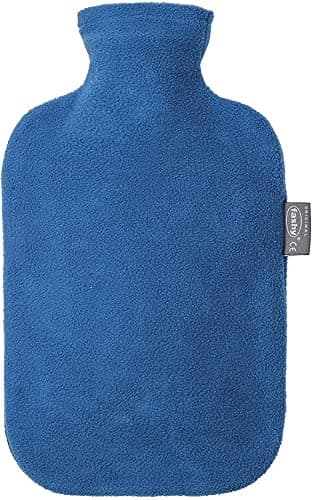 ★ Our pick · Best overallFashy 2.0L Hot Water Bottle with Fleece CoverThe German quality benchmark: durable, odourless thermoplastic and a soft fleece cover included.£18.95In stockBuy on Amazon
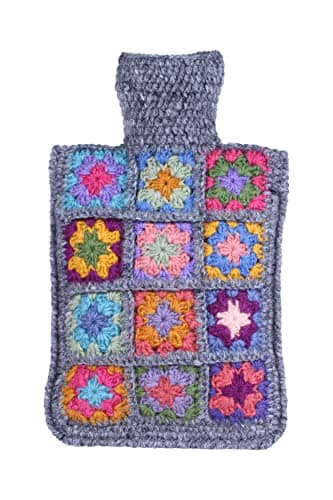 Best premiumPachamama Hand-Crochet 100% Wool Cover + 2L BottleA hand-crocheted pure-wool cover over a 2 litre bottle: warm, natural and genuinely nice to look at.£29.95In stockBuy on Amazon
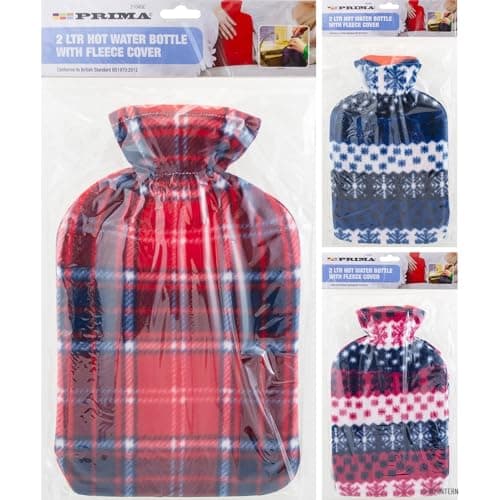 Best value (multipack)3-Pack 2L Hot Water Bottles with Fleece CoversThree 2 litre bottles with fleece covers, so there is one for every bed and sofa at a low price per bottle.£11.95In stockBuy on Amazon
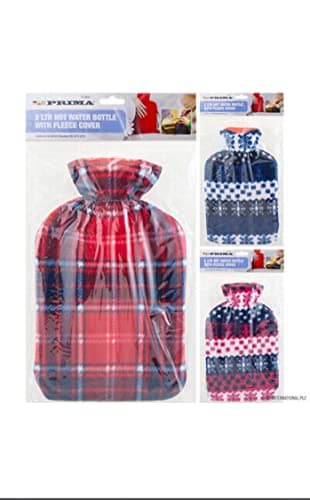 Best budget2 Litre Hot Water Bottle with Fleece CoverA plain 2 litre bottle with a fleece cover that does the job for a few pounds.£7.49In stockBuy on Amazon
Compare the specs
| Product | Capacity | Material | Cover | Best for | Price |
|---|---|---|---|---|---|
| Fashy 2.0L Hot Water Bottle with Fleece Cover★ Best Overall | 2.0L | Thermoplastic | Fleece (included) | The safe, long-lasting default | £18.95 |
| Pachamama Hand-Crochet 100% Wool Cover + 2L BottleBest Premium | 2L | Rubber (bottle) | Hand-crochet wool | A gift or a nicer-looking one | £29.95 |
| 3-Pack 2L Hot Water Bottles with Fleece CoversBest Value (Multipack) | 2L each | Not stated | Fleece (included) | One for every room, cheaply | £11.95 |
| 2 Litre Hot Water Bottle with Fleece CoverBest Budget | 2L | Not stated | Fleece (included) | Cheapest capable option | £7.49 |
Prices are live from Amazon and refresh through the day; last page update 21 October 2026.
Hot water bottle safety: the daisy wheel, BS 1970 and the 2-year rule
Before anything else, buy a hot water bottle that is marked to the British Standard BS 1970:2012. This is the standard that sets how a bottle is made and tested, and a bottle that carries the mark has been built to hold hot water safely. If a listing or a bottle does not mention BS 1970:2012, do not buy it.
- Find the daisy wheel. Every compliant bottle has a "daisy wheel" stamped on the neck, a flower shape that records the date of manufacture. The petals mark the month and the number in the centre marks the year. Check it when the bottle arrives.
- Make sure it is recent. Rubber ages from the moment it is made, not from the moment you start using it, so a bottle sitting in a warehouse for years is already part-aged. A recent date means you get the full life out of it.
- Replace it about every 2 years. General safety guidance from bodies like RoSPA and the NHS is to replace a hot water bottle roughly every 2 years, and sooner if the rubber looks cracked, perished, or feels sticky. An old bottle is the one most likely to split and scald.
None of this is expensive or difficult. It is just the difference between a bottle that warms you safely for years and one that fails when it is full of hot water against your skin.
How to fill one safely (and why boiling water is the mistake)
Most hot water bottle accidents come down to two things: boiling water and overfilling. Both are easy to avoid.
- Never use boiling water. Let a just-boiled kettle stand for a couple of minutes first. Boiling water puts the rubber under the most stress and is the main cause of splits and scalds.
- Fill to about two-thirds. Do not fill it to the brim. A bottle filled right up is stiff, more likely to split at the seams, and harder to close properly.
- Press out the trapped air. With the bottle on a flat surface, lower it until water appears at the neck to push the air out, then close the stopper firmly.
- Always use the cover. It prevents both direct scalds and the slow low-temperature burns you can get from resting something hot against skin for a long time. Never use a bottle bare.
- Do not sit or lie directly on it, and never top it up while it is against you. Take it out, refill it safely, then put it back in the cover.
Rubber, thermoplastic or long? Choosing the bottle
Once the safety basics are sorted, the choices are about material, size and cover.
- Rubber or thermoplastic. Natural rubber is the traditional material and works well. Thermoplastic, as used by Fashy, is odourless (no rubbery smell) and is more eco than some rubber, and it tends to hold up well over the bottle's life. Either is fine as long as it carries BS 1970:2012.
- Size. The 2 litre bottle is the standard and the most useful for warming a bed or your lap. Smaller bottles exist for hands and small spaces, and long or body-shaped bottles wrap around the back or tummy if that is what you are after.
- The cover. Buy a bottle with a cover, or add one. Fleece is soft and cheap, wool looks and insulates nicely. The cover is a safety item first and a comfort item second, so never skip it.
Our picks cover the sensible ground: the Fashy for the safe default, a wool-covered Pachamama for a gift, a multipack for one in every room, and a plain bottle for the lowest price.
Our picks in detail
Fashy 2.0L Hot Water Bottle with Fleece Cover
The German quality benchmark: durable, odourless thermoplastic and a soft fleece cover included.
A long-standing, widely recommended German-made bottle.
The Fashy is the hot water bottle most people should buy. Fashy is the German maker widely regarded as the quality benchmark for durability and safety, and this 2 litre bottle is made from a thermoplastic that is odourless and more eco than some rubber, so there is no rubbery smell and it holds up well over its life. It comes with a soft fleece cover included, which is not a nice-to-have but a safety essential: the cover prevents direct scalds and the slow low-temperature burns you can get from resting something hot against skin for a long time. Fill it with water from a just-boiled kettle left to stand a couple of minutes, to about two-thirds, and it holds its heat for hours in bed or on the sofa.
It costs a little more than the no-name bottles, but you are paying for a maker with a long track record, a material that does not perish as quickly, and a cover in the box. As with any hot water bottle, check the daisy wheel stamped on the neck when it arrives so you know it is recent and not old stock, and plan to replace it after about 2 years. If you want a prettier one or a gift, the wool-covered Pachamama is below, and if you want the cheapest capable option, the budget pick covers that. For the safe, long-lasting default, this is the one.
Pachamama Hand-Crochet 100% Wool Cover + 2L Bottle
A hand-crocheted pure-wool cover over a 2 litre bottle: warm, natural and genuinely nice to look at.
If you want a hot water bottle that looks lovely or makes a gift, the Pachamama is the pick. It pairs a 2 litre rubber bottle with a hand-crocheted cover in 100% wool, which feels warm and natural in the hand and looks far nicer than a plain fleece sleeve, so it earns a place on a bed or sofa rather than being hidden away. Wool is a good insulator too, so the cover does its safety job of keeping the hot surface off your skin while holding the warmth in. For someone who wants a bit of character, or as a present that does not feel throwaway, it is the one here with real charm.
It costs more than a basic bottle, and the cover being hand-crocheted wool means it wants gentle hand-washing rather than a hot machine cycle. The usual rules still apply: check the daisy wheel on the rubber bottle when it arrives, never fill with boiling water, and replace the bottle after about 2 years even if the lovely cover outlasts it. If you only want warmth for the least money, the budget or multipack picks make more sense. But for a gift or a nicer-looking bottle you will actually want on display, this is the choice.
3-Pack 2L Hot Water Bottles with Fleece Covers
Three 2 litre bottles with fleece covers, so there is one for every bed and sofa at a low price per bottle.
If you want a hot water bottle in more than one place, the three-pack is the value pick. You get three 2 litre bottles, each with a fleece cover, which works out cheap per bottle and means you can keep one by each bed and one on the sofa rather than carrying a single bottle around the house. In a family home, or anywhere people want warmth in different rooms on a cold evening, buying three at once is both cheaper and more convenient than buying them one at a time. Each cover does the safety job of keeping the hot surface off skin, so nobody is tempted to use a bare bottle.
The material is not stated on the listing, so treat each bottle like any budget bottle: check the daisy wheel and the BS 1970:2012 mark when they arrive, do not fill with boiling water, and replace them after about 2 years. Buying three together also means they age together, so it is worth putting a note in your phone to swap them all out at the 2-year mark. If you only need one bottle, the Fashy or the budget pick is the better buy. But for one in every room at the lowest cost per bottle, the multipack wins.
2 Litre Hot Water Bottle with Fleece Cover
A plain 2 litre bottle with a fleece cover that does the job for a few pounds.
If you want a hot water bottle for as little as possible, this plain 2 litre bottle with a fleece cover does the job for a few pounds. It is the cheapest capable option here: a standard 2 litre capacity that warms a bed or your lap for hours, and a fleece cover included so you are not tempted to use it bare against your skin. For an occasional bottle, a spare, or simply warmth on a budget, it covers the fundamentals without you paying for a brand name or a fancy cover.
The material is not stated, so check the daisy wheel and the BS 1970:2012 mark the moment it arrives, reject it if there is no standard mark or the daisy wheel shows old stock, and do not fill it with boiling water. As with any bottle, replace it after about 2 years, which at this price is easy to do. If you want the extra reassurance of a known maker and an odourless material, the Fashy is worth the step up, and the multipack is cheaper per bottle if you need several. But as the cheapest capable single bottle, this one does what you need.
Hot water bottle vs electric blanket vs heating the room
All three warm you on a cold night, but they do different jobs and cost very different amounts.
- Hot water bottle: the cheapest of the lot. Boiling a kettle to fill one costs only a few pence, and it warms you or the bed directly rather than heating the air in a whole room. The trade-off is that it cools down over the night, so it is at its warmest when you first get in.
- Electric blanket: gentle, steady, controllable warmth across the whole bed, and still far cheaper than heating the house. It holds its heat all night rather than cooling like a bottle, but it costs more to buy and uses electricity. See our electric blanket guide at /best/electric-blanket.
- Heating the room: the most expensive by a wide margin, because you are paying to warm all the air in the space rather than just the person. For getting warm in bed or on the sofa, it is overkill.
Plenty of people use a hot water bottle for a quick, cheap warm-up and keep the heating off, which is exactly where it earns its place.
Common myths, corrected
- "Boiling water is fine." No. Boiling water puts the rubber under the most stress and is the main cause of splits and scalds. Let a just-boiled kettle stand a couple of minutes, then fill to about two-thirds.
- "Hot water bottles last forever." No. The rubber ages from the date it was made, which is why there is a daisy wheel on the neck. Replace a bottle about every 2 years, and sooner if it looks cracked, perished or feels sticky.
- "The cover is optional." No. The cover prevents direct scalds and the slow low-temperature burns you get from resting something hot against skin for a long time. Always use one, and never use a bottle bare.
- "Any cheap bottle is risky." Not if it carries BS 1970:2012. A cheap bottle made to the standard is fine. The risk is an undated bottle with no standard mark, or an old one that should have been replaced.
What we’d skip
- Old or undated shop stock with no daisy wheel or no BS 1970:2012 markThe daisy wheel on the neck tells you when the bottle was made, and the rubber ages from manufacture, so a bottle with no date or no standard mark could already be part-perished before you fill it. If a bottle arrives without a visible standard mark or a recent daisy-wheel date, send it back.
- Filling with boiling water or overfillingBoiling water puts the rubber under the most stress and is the main cause of splits and scalds, and a bottle filled to the brim is stiff and more likely to split at the seams. Let a just-boiled kettle stand a couple of minutes, fill to about two-thirds, press out the trapped air, then close the stopper firmly.
- Skipping the coverThe cover is a safety item, not a comfort extra: it prevents direct scalds and the slow low-temperature burns you can get from resting something hot against skin for a long time. Never use a bottle bare, do not sit or lie directly on one, and do not top it up while it is against you.
- Keeping a bottle more than about 2 years, or using one that is cracked, perished or stickyGeneral safety guidance from bodies like RoSPA and the NHS is to replace a hot water bottle roughly every 2 years, and sooner if the rubber shows any cracking, perishing or stickiness. An old bottle is the one most likely to fail when it is full and against you.
- Microwaving a standard rubber bottleOnly put a bottle in the microwave if it is specifically sold as microwavable, and even then follow the instructions to the letter, as the wrong heating can rupture it. The same goes for novelty bottles with no safety standard: if there is no BS 1970:2012 mark and no daisy wheel, treat it as decoration, not a hot water bottle.
Frequently asked questions
What should I look for when buying a hot water bottle?
Safety first: buy one marked to the British Standard BS 1970:2012, which sets how the bottle is made and tested. Then find the "daisy wheel" stamped on the neck, a flower shape where the petals mark the month and the number in the centre marks the year, and check it is recent rather than old shop stock, because the rubber ages from manufacture. After that it is down to preference: a 2 litre bottle is the standard useful size, thermoplastic (as used by Fashy) is odourless and more eco than some rubber, and you should always get a bottle with a cover.
What is the daisy wheel on a hot water bottle?
It is the small flower shape stamped on the neck of a compliant bottle, and it tells you when the bottle was made. The petals around the outside mark the month and the number in the centre marks the year. It matters because rubber ages from the date of manufacture, not from when you start using it, so a bottle that has sat in a warehouse for years is already part-aged. Check the daisy wheel when the bottle arrives to make sure it is recent, and use it to track when the bottle is due for replacement.
How often should I replace a hot water bottle?
About every 2 years, and sooner if there are any warning signs. General safety guidance from bodies like RoSPA and the NHS is to replace a hot water bottle roughly every 2 years, because the rubber degrades with age and use. Replace it straight away if the rubber looks cracked or perished, feels sticky, or if the neck or seams show any wear, since an old bottle is the one most likely to split and scald when it is full of hot water. Use the daisy-wheel date to know how old yours is.
Can I fill a hot water bottle with boiling water?
No. Never use boiling water, as it puts the rubber under the most stress and is the main cause of splits and scalds. Let a just-boiled kettle stand for a couple of minutes first, then fill the bottle to about two-thirds rather than to the brim, press out the trapped air by lowering the bottle until water appears at the neck, and close the stopper firmly. Overfilling and boiling water together cause most hot water bottle accidents, so both are worth avoiding every single time.
Do I really need a cover on a hot water bottle?
Yes, always. The cover is a safety feature, not just a comfort extra. It prevents direct scalds if the bottle is too hot, and it prevents the slow low-temperature burns you can get from resting something hot against your skin for a long time, which can happen even when the bottle does not feel scalding. Never use a bottle bare, do not sit or lie directly on it, and do not top it up while it is against you. Our picks all come with a fleece or wool cover for exactly this reason.
Are hot water bottles cheap to run?
They are the cheapest winter warmth there is. Boiling a kettle to fill one costs only a few pence, and because it warms you or the bed directly rather than heating the air in a whole room, you get a lot of warmth for very little money. The trade-off is that a bottle cools down over the night, so it is warmest when you first get in. An electric blanket holds its heat longer and is still far cheaper than heating the house, while heating the room is the most expensive option by a wide margin.
Is Fashy worth the extra money?
For most people, yes. Fashy is the German maker widely regarded as the quality benchmark for durability and safety, and its bottles use an odourless thermoplastic that is more eco than some rubber and tends to hold up well over the bottle's life. That said, a cheap bottle is not automatically worse: any bottle that carries the BS 1970:2012 mark is made to the right standard and is fine to use. The Fashy buys you a maker with a long track record and a material with no rubbery smell, which is why it is our top pick.
Can I microwave a hot water bottle?
Only if it is specifically sold as a microwavable bottle, and even then you must follow the instructions exactly. A standard rubber or thermoplastic hot water bottle is designed to be filled with hot water from a kettle, not heated in a microwave, and microwaving one can damage it or cause it to rupture. Microwavable heat packs are a different product with their own rules. If your bottle carries BS 1970:2012 and a daisy wheel but says nothing about the microwave, fill it from a just-boiled kettle instead.